
Documented history
Culture and events in Mompox
Holy Week, music, heritage and a town that continues to create culture
Mompox combines long-lived religious traditions with contemporary cultural programming. Holy Week has documented colonial roots, while events such as the Mompox Jazz Festival use historic plazas and buildings as spaces for music and gathering.

Heritage means practice, not only buildings
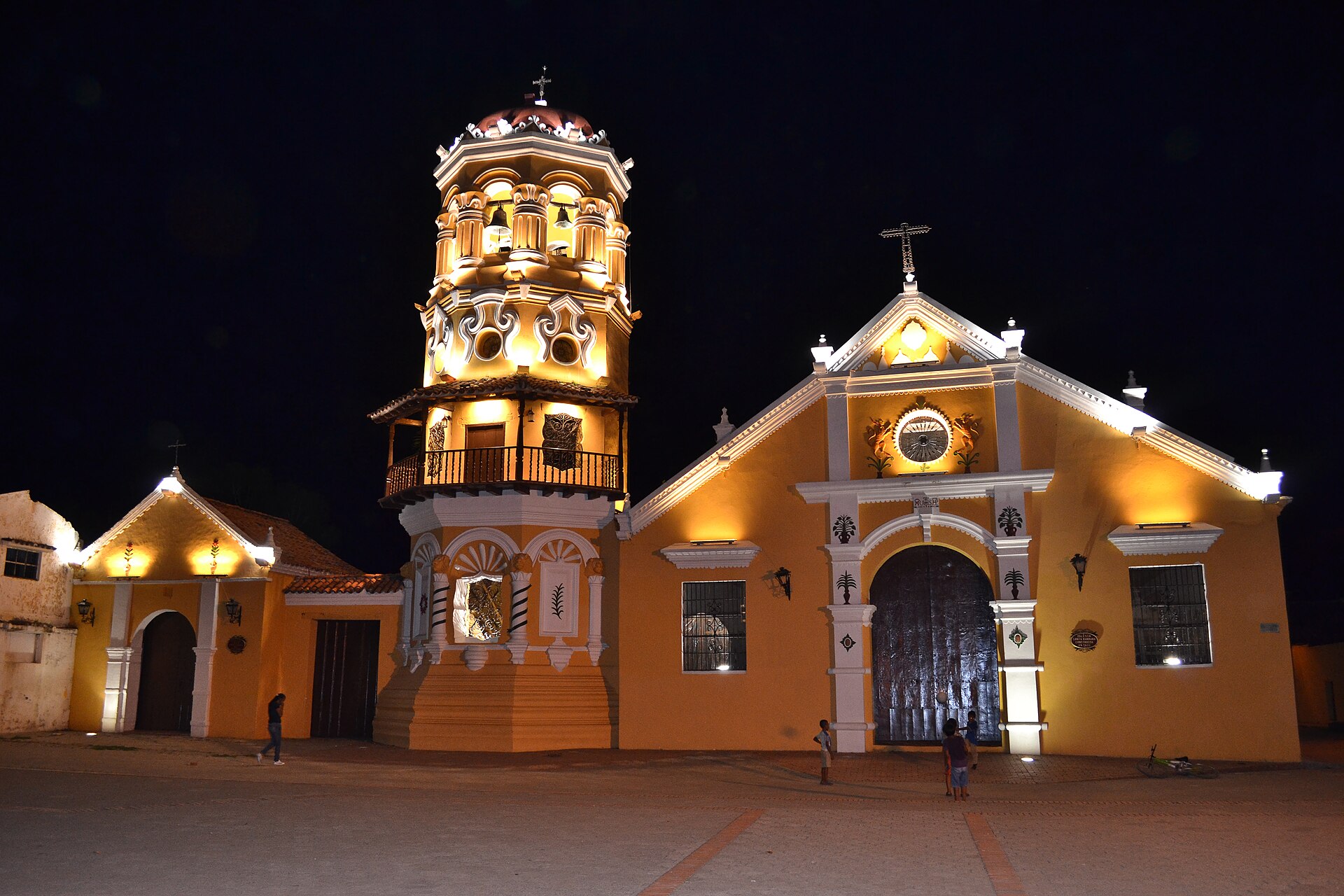
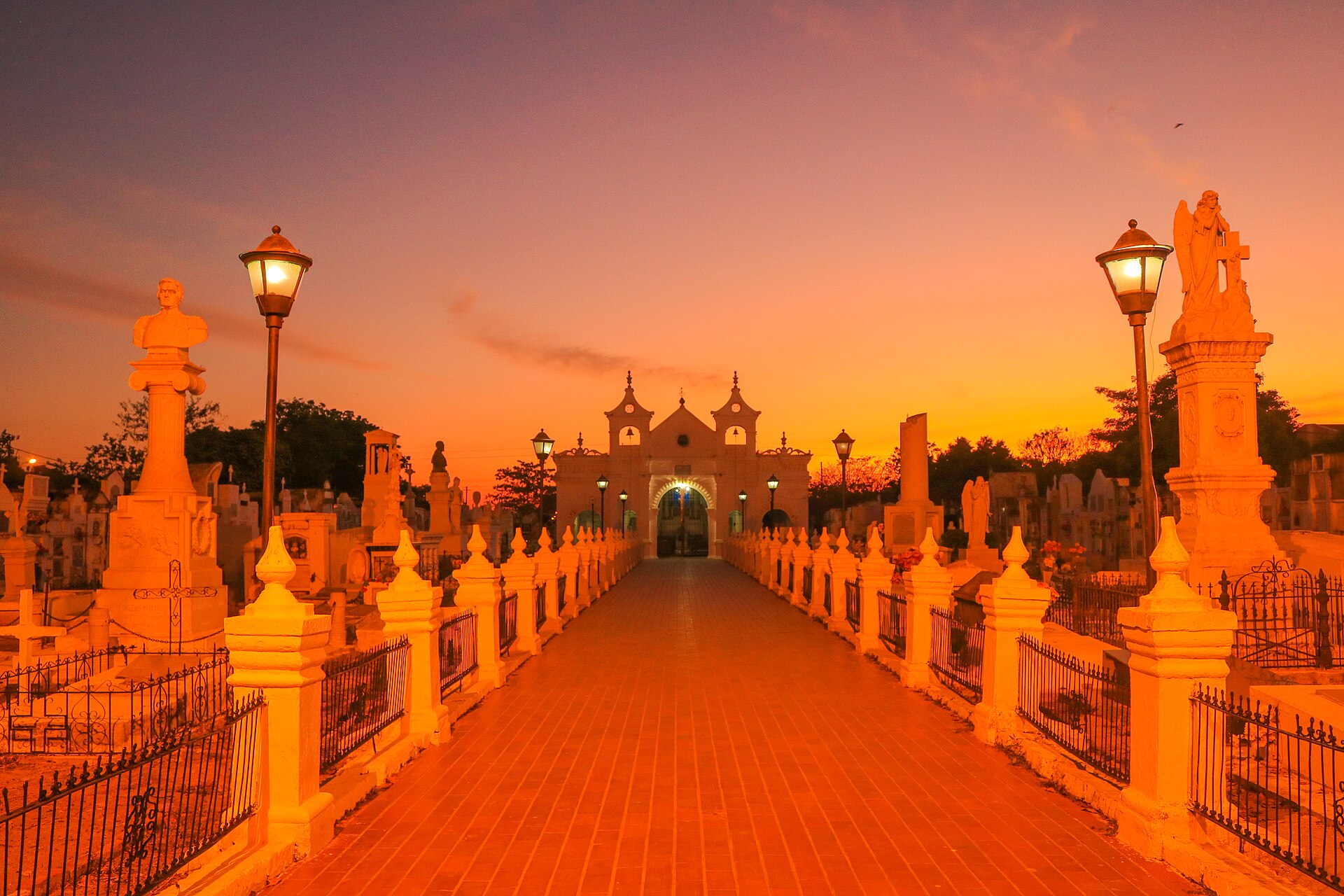
Mompox is often presented through colonial façades, but architecture alone does not explain the town's cultural life. Churches, streets and squares continue to host ceremonies, markets, concerts and community activities.
Colombia's Ministry of Culture has repeatedly emphasised that the value of Mompox extends beyond architecture. The town's heritage includes living practices, memory, craftsmanship and forms of public gathering.
This continued use is one reason the historic centre still feels like a town rather than a completely museumised district.
Holy Week and centuries of continuity
Holy Week is among the deepest traditions of Mompox. Ministry of Culture records point to celebrations dating to the sixteenth century, and institutional programmes have marked more than four centuries of processional tradition.
Preparation involves much more than carrying religious images. It includes maintenance and dressing of sculptures, organisation of processions, nazarenos, bands, traditional marches and temporary street decorations.
During the celebrations, the historic centre becomes a ceremonial landscape in which streets and squares operate as extensions of the churches.
Music, images and community work
Historic religious images form part of the processional heritage and require specialised care. Music is equally important: bands and marches accompany the routes and help create a recognisable soundscape.
Some musical pieces have been transmitted over generations, demonstrating that intangible heritage survives through performance as much as through buildings.
Temporary practices such as decorative street carpets also show how cultural heritage can be created collectively and then disappear, only to be made again the following year.
The contemporary Jazz Festival
In recent decades, Mompox has also developed contemporary cultural programming that uses the historic town as its stage. The Mompox Jazz Festival is the most visible example.
Its concerts and academic activities occupy parks, plazas and historic buildings, linking music with the urban heritage of the town. Recent editions have also connected the festival with crafts and the local creative economy.
The challenge is to welcome large events without overwhelming a small historic town. UNESCO's recommendations on responsible tourism are especially relevant when visitor numbers rise sharply during festivals and religious celebrations.
Photos
Sources
This article is based on institutional and academic sources. Where documentation is uncertain, the text avoids turning assumptions into historical facts.